Generate Your Citation Now
Fill in. Click. Copy. Done in 10 seconds.
Your Citations
Legal Reality Check
This is where the world is headed. Over 200 federal and state court orders now address AI use in legal filings. Judges aren't banning AI—they're requiring disclosure and verification.
Lawyers have been sanctioned and fined for submitting AI-generated content without disclosure—not for using AI, but for hiding it.
Disclaimer: This tool generates citation templates. For legal filings, always verify compliance with your specific court's local rules. This is not legal advice.
💡 The Truth About "Cheating"
Using AI isn't cheating.
Lying about using AI is.
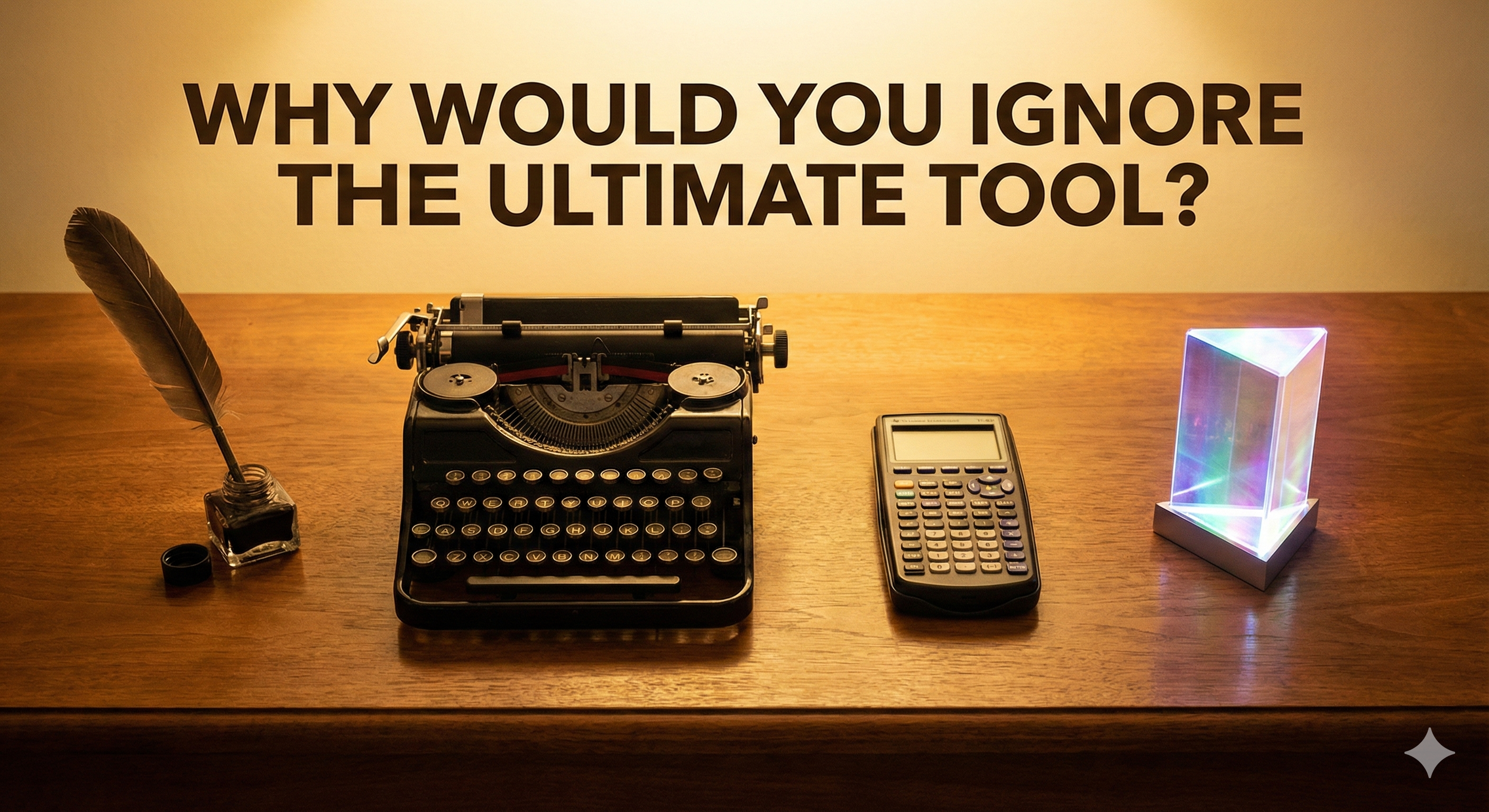
Every time humanity gets a new tool, the same pattern emerges. Fear. Resistance. Accusations of "cheating." And then? Acceptance, standardization, and wonder that we ever lived without it.
📝 The Calculator
"Students will forget how to do math!" Now required in classrooms worldwide.🔤 Spell Check
"Writers will lose spelling skills!" Built into every text input on Earth.🌐 The Internet
"Anyone can just look things up!" Knowing how to research is now a skill.🤖 AI Assistance
"It's cheating to use AI!" You are here. The transition is happening.📅 The Pattern Repeats
🎯 Who Really Benefits From Calling AI "Cheating"?
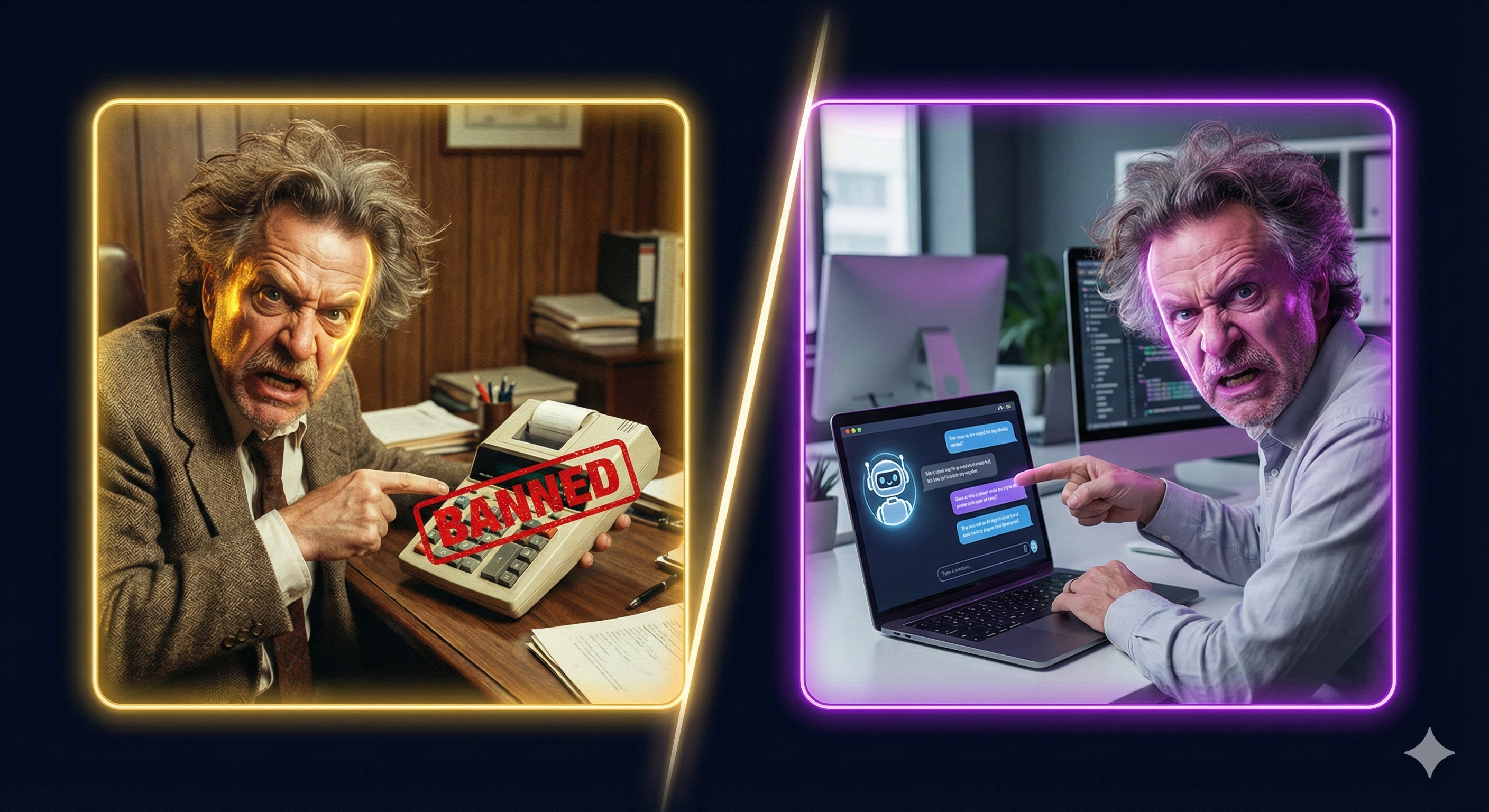
🔄 THE GATEKEEPERS ALWAYS LOSE
Here's the uncomfortable truth: the people screaming "cheating" the loudest are rarely the ones being protected.
In 2025, a Northeastern University student discovered her professor used ChatGPT to prepare lecture slides—while the same syllabus banned students from using it. At Ohio State, they simply gave up: AI use is no longer an academic integrity violation. The hypocrisy is institutional.
"AI detection tools have become meaningless because they flag innocent students more often than actual AI use. Major universities are abandoning them entirely."
— Professor testimony, documented in 2025 faculty surveysMeanwhile, 94% of AI-generated submissions go completely undetected according to University of Reading research. The detection arms race is already lost. The only path forward is transparency.
Here's what the data actually shows: students who struggle the most benefit the most from AI. Research shows 25th-percentile students see larger grade improvements than top performers when using AI tools. This isn't about replacing learning—it's about democratizing capability.
✅ WHO WINS WITH AI ACCESS
- First-generation college students
- Non-native English speakers
- Students in underserved communities
- Workers without elite credentials
- Small businesses vs. corporations
- Developing nations (India, Brazil, Nigeria lead AI optimism)
❌ WHO LOSES WHEN AI IS "CHEATING"
- Gatekeepers of expensive expertise
- Elite institutions protecting prestige
- Legacy systems threatened by access
- Those who profited from scarcity
- Detection software companies
- Anyone afraid of being replaced
"The democratization of capability looks like cheating to those who profited from scarcity."
— Article 11 AISurveys from 2024–2025 show something remarkable: people in India, Brazil, and Nigeria are more optimistic about AI than those in developed economies. Why? Because they see AI for what it is: a ladder, not a threat. A tool that doesn't care about your zip code, your parents' income, or what school you attended.
The future of AI doesn't belong to Silicon Valley. It belongs to the world.
We're not here to help you hide AI use. We're here to help you declare it with integrity. That's what this tool is for. That's what Article 11 stands for.
🤖 Supported Platforms
Don't see your AI? Just type any name—we'll generate a citation for it.
❓ Frequently Asked Questions
No. Using AI isn't cheating—lying about it is. AI is a tool, like calculators, spell-checkers, or search engines. The key is transparency. Cite your AI use, verify the output, and take responsibility for your final work. That's integrity.
Increasingly, yes. Over 200 court orders now address AI disclosure. Major universities are updating policies to require AI citation. Professional organizations are following suit. The trend is clear: transparency is becoming mandatory, not optional.
It depends on your field. APA for psychology and social sciences. MLA for humanities. Chicago for history and publishing. IEEE for engineering. Harvard for business. Our tool automatically recommends the best format based on your context.
Yes, 100% free forever. We believe AI transparency should be accessible to everyone. This tool is part of our mission to promote ethical AI use and help establish citation standards before they become legally mandated.
Yes! When you generate a citation, we create a unique shareable link that you can bookmark or send to collaborators. The citation is saved for one year. You can also simply copy any citation format directly.
We support 30+ platforms, but AI is moving fast. If you don't see your tool, just type the name manually—the generator will create proper citations for any AI system. The format guidelines apply universally.
🎖️ Built by Article 11 AI
We're a constitutional AI governance company founded by a veteran. We believe AI should serve humanity with transparency, not replace it in shadows.
Learn about our mission →